
"arabica harvest"
7000 article(s) found

Introduction to Arabica Coffee Manor in Bali, Indonesia
Coffee treatment Coffee produced in Java is traditionally washed. Sumatra and Sulawesi are famous for their Indonesian wet planing wet-hulled, which is locally known as Giling Basah. The drying methods in coffee processing vary according to the situation: high-priced bed drying in the awning, balcony drying, roadside drying and other methods are all used. Although the flavor of coffee varies from region to region.

Basic definition of Arabica coffee fresh fruit Rain concept Basic knowledge of coffee
1 Scope This part specifies the terms and definitions of Arabica coffee fresh fruit, fruit picking requirements, fresh fruit classification, packaging, transportation and temporary storage. This part applies to Pu 'er Arabica coffee. 2 Normative references The provisions of the following documents become the provisions of this part by reference to this part. All subsequent amendments (excluding corrigenda) to a dated reference

Introduction to the basic knowledge of Fine Coffee
First, the planting and regional distribution of coffee trees. Botanically, coffee trees belong to the subgenus Rubiaceae, but coffee beans, commonly known as coffee beans, are actually the seeds of the fruit of coffee trees, just because they are shaped like beans, so they are called coffee beans. Climate is the decisive factor for coffee cultivation. Coffee trees are only suitable for growing in the tropics or subtropics, so the latitude between south and north is between 25 degrees.

The reason why Colombian coffee is popular how Colombian coffee is grown and harvested
Colombian coffee, which ships millions of bags of the best coffee beans abroad every year. But why is the world so fond of Colombian coffee? Here, Front Street Coffee explains the perfect coffee-growing climate of Colombian boutique coffee, coupled with world-class Arabica coffee beans. How to create the perfect coffee cup together. Colombian coffee with its flavor and unmistakable temperature

Fine Coffee Encyclopedia barista course
The formation environment of coffee trees in botany, coffee trees belong to the evergreen trees of the subgenus Rubiaceae, and coffee beans, commonly known as coffee beans, are actually the seeds of the fruit of coffee trees, just because they are shaped like beans, so they are called coffee beans. Climate is the decisive factor for coffee cultivation. Coffee trees are only suitable for growing in the tropics or subtropics, so the zone between latitude 25 degrees south and north is generally called
Varieties of coffee beans
Several main coffee varieties and their characteristics are introduced here. Typica, also known as Tiberka Tibika, is the closest to the native species of Arabica, where almost all Arabica varieties originate. Widely cultivated in Central and South America in the past, the bean is long in shape and has excellent aroma and sour taste, but it is not resistant to leaf rust and requires quite a lot of shading trees to lead to production.
Talking about "Arabica" again
Arabica is synonymous with high-quality coffee, accounting for more than 70% of the world's total output, but innocent farmers do not know how big the scope of "Arabica" is.

The process of planting and picking Coffee basic knowledge of Coffee
The first people to drink coffee lived in Ethiopia. A drink called Buncham was found in the Arab scientific literature of 900-1000 AD, but it is not certain that it is coffee. These documents mainly record the scientific value of this bean called Buncham. In addition to introducing the protective effects of this drink on the stomach, organs and skin, the author also mentioned that it can make

The international market for coffee is in the doldrums, coffee farmers in Brazil and Vietnam are unable to sell it, and Arabica has also dropped its price this year.
Due to the downturn in the international market for coffee, coffee farmers in Vietnam and Brazil are generally unable to sell coffee despite bumper harvests, in order to resist the downward pressure of prices, and the dream of bears may be dashed. The international market for Robusta coffee has fallen 17% this year, and coffee farmers in Vietnam's main growing region, Dole province, are generally reluctant to sell until after the Lunar New year. The price of Arabica coffee has also fallen by 8% this year, so Brazilian coffee farmers

Basic knowledge of Coffee beans cultivation conditions of Coffee trees
There is a noun called Coffee Belt. There are more than 60 coffee producing countries in the world, most of which are located in the tropics and subtropics between the Tropic of Cancer (latitude 2326). This coffee growing area is called a coffee belt or coffee area (Coffee Zone). The annual average temperature of the coffee belt is above 20 ℃, because the coffee tree is a tropical plant, and if the temperature is below 20 ℃,

Introduction of Arabica Nicaraguan Coffee Bean characteristics and Flavor description
Arabica Nicaraguan Coffee Bean characteristic Flavor description processing French production region introduces the city in southwestern Nicaragua, the capital of Massaya province. Located at the eastern foot of Masaya Volcano, 25 kilometers northwest from Managua. The population is 43000 (1980). The industrial and commercial center of the surrounding agricultural area (which mainly produces tobacco). Famous for producing Indian handicrafts (embroidery, palm hats, etc.). There are tobacco, shoes,

Brazilian coffee Brazilian bourbon Santos Bowbon coffee beans.
Professional coffee knowledge exchange more coffee bean information please follow the coffee workshop (Wechat official account cafe_style) Arabica and Robusta are grown in Brazil, but mainly Arabica, most of them are dried. Both the equator and the southern line of regression cross Brazil, so the Brazilian landmass is located in the tropics, with about 8 million hectares of land used to grow coffee. Facing north, climate

The basic knowledge of coffee beans the cultivation conditions of coffee coffee belt
There is a noun called Coffee Belt. There are more than 60 coffee producing countries in the world, most of which are located in the tropics and subtropics between the Tropic of Cancer (latitude 2326). This coffee growing area is called a coffee belt or coffee area (Coffee Zone). The annual average temperature of the coffee belt is above 20 ℃, because the coffee tree is a tropical plant, and if the temperature is below 20 ℃,

Planting conditions and Regional Distribution of Coffee trees species of Coffee trees planting altitude
Professional coffee knowledge exchange more coffee bean information Please pay attention to the coffee workshop (Wechat official account cafe_style) Coffee planting and geographical distribution climate is the decisive factor in coffee cultivation, coffee trees are only suitable for growing in the tropics or subtropics, so the zone between 25 degrees south and north latitude is generally called coffee belt or coffee area. However, not all the land located in this area
Learn the basic concepts of coffee
1. What is coffee (scientific name: Coffea arabica), also known as coffee tree, Arabica coffee, etc., is the national flower of Yemen. Before the 6th century AD, Yemen was called Arabian, so the coffee trees shipped from them to other places were also called Arabian coffee trees. The name coffee comes from the Arabic Qahwah, which means plant drink. Later, coffee spread.
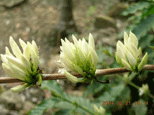
A detailed analysis of the whole process of a coffee from coffee seed to coffee tree and then to coffee bean picking
The first people to drink coffee lived in Ethiopia. A drink called Buncham was found in the Arab scientific literature of 900-1000 AD, but it is not certain that it is coffee. These documents mainly record the scientific value of this bean called Buncham. In addition to introducing the protective effects of this drink on the stomach, organs and skin, the author also mentioned that it can make

The production of coffee, the planting technology of coffee manor.
Arabica coffee and Robbite coffee are harvested once every 3 to 4 years, and their lifespan varies due to different production conditions and different degrees of care (usually 20 to 30 years, after which they have to be replanted). Both varieties need plenty of sunlight and moisture. Arabian coffee trees like the seasonal climate of 15-24 ℃; Robbins like warm.

Differences in taste and flavor between coffee bean varieties Arabica, Robusta and Liberica
Professional coffee knowledge exchange more coffee bean information please follow the coffee workshop (Wechat official account cafe_style) front street coffee-coffee varieties and characteristics of Arabica varieties: from beans, Arabica varieties should be the first

The basic concept of Coffee that must be known about Coffee
First, know coffee 1, what is coffee (scientific name: Coffea arabica) also known as coffee tree, Arabica coffee, etc., is the national flower of Yemen. Before the 6th century AD, Yemen was called Arabian, so the coffee trees shipped from them to other places were also called Arabian coffee trees. The name coffee comes from the Arabic Qahwah, which means plant drink.

Robusta coffee beans taste as rough as Brobusta coffee beans taste so bad?
Professional coffee knowledge exchange more coffee bean information please follow the coffee workshop (Wechat official account cafe_style) front street-Robsta variety introduction Robusta and Arabica coffee come from different coffee trees, the flavor and characteristics of the two kinds of coffee are different. Robusta has higher yield, easier care, stronger disease resistance and lower production cost than Arabica. Robusta's coffee.